Overview of Mercury in Light Bulbs
Mercury is a key ingredient in certain types of light bulbs, especially compact fluorescent lamps (CFLs) and some older fluorescent tubes. In these bulbs, mercury vapour helps to produce light when electricity flows through. While this makes them energy-efficient and long-lasting, mercury is also hazardous. If not handled correctly, it can pose risks to both our health and the environment.
The presence of mercury in lighting has raised concerns because of its toxic nature. Exposure can lead to serious health issues, including neurological and developmental problems. That’s why disposing of mercury-containing bulbs properly is essential. Throwing them in general waste is not just careless; it’s often illegal, as they are classified as hazardous waste in many regions.
When it comes to getting rid of light bulbs that contain mercury, it’s important to stick to local regulations and guidelines. Many councils provide specific recycling programmes for hazardous waste, ensuring these bulbs are dealt with safely. You might also find that some retailers offer take-back schemes, allowing you to return spent bulbs for responsible disposal.
By taking the time to understand proper disposal methods, you’re supporting environmental protection and promoting sustainable practices in your community. Proper disposal not only helps reduce the risks associated with mercury but also aids in recycling valuable materials found in the bulbs, further cutting down on waste and the need for new raw materials.
Why Proper Disposal of Mercury-Containing Bulbs Matters
Improperly throwing away mercury-containing bulbs, like compact fluorescent lamps (CFLs) and fluorescent tubes, can lead to significant environmental and health issues. If these bulbs break or end up in general waste, mercury can leak into the surroundings, contaminating soil and water. This kind of pollution not only harms local ecosystems but also threatens wildlife. Mercury is a powerful neurotoxin that can build up in the food chain, potentially affecting fish and other animals that we might later consume.
The risks of mercury exposure aren’t just limited to the environment; they can also have serious implications for human health, especially for vulnerable groups such as pregnant women and young children. While the danger from a single broken bulb might seem small, the cumulative effect of many bulbs being disposed of incorrectly can lead to substantial environmental harm. It's important to realise that the effects of mercury can spread beyond the area where the bulbs are discarded, impacting larger populations through soil and water contamination over time.
Additionally, improper disposal can lead to legal issues. Many areas have specific regulations regarding the disposal of hazardous waste, including products that contain mercury. Ignoring these regulations can result in fines and other consequences. So, it's wise to be aware of local laws and engage in available recycling programmes and take-back schemes for safe disposal.
You can take practical steps to reduce these risks. First, if you break a bulb, clean it up carefully while following safety guidelines. Second, look for designated recycling facilities or hazardous waste collection events nearby. These services are specifically equipped to handle such materials safely, keeping harmful substances out of the environment.
By focusing on proper disposal methods, you’re helping to create a healthier planet and protecting your community and wildlife from the dangers of mercury contamination. Remember, every small action contributes to the bigger picture of sustainable living and environmental protection.
How to Identify Light Bulbs Containing Mercury
Knowing how to spot light bulbs with mercury is important for safe disposal and protecting the environment. The most common culprits are compact fluorescent lamps (CFLs) and older fluorescent tubes. Here’s how to identify them:
-
Check the Packaging: When you’re buying light bulbs, keep an eye out for labels on the packaging. Bulbs that contain mercury usually have warnings like "Contains Mercury" or "Mercury Disposal Required." This means they need to be disposed of properly.
-
Identify the Bulb Type: CFLs typically have a spiral shape and are smaller than traditional fluorescent tubes. Fluorescent tubes are long and cylindrical. Both can contain considerable amounts of mercury, so handle them with care.
-
Look for Specific Labelling: In the UK, light bulbs must follow the Waste Electrical and Electronic Equipment (WEEE) Directive. This includes symbols that indicate the product shouldn’t go in general waste. Look for the “crossed-out wheelie bin” symbol, which shows that the bulb should be recycled.
-
Consider the Age of the Bulb: Older lighting technologies, including some incandescent bulbs and older fluorescent models, might also contain mercury. If you’re not sure, check the manufacturer’s specifications or find an online resource that lists the mercury content of various bulbs.
-
Consult Local Guidance: Many local councils offer resources to help you identify which light bulbs contain mercury and how to dispose of them safely. Visiting your local council's website can provide useful information on recycling options available in your area.
By learning to identify mercury-containing bulbs, you’re taking steps towards responsible disposal and contributing to environmental protection. Being informed helps you make safer choices for your home and the planet.
Safe and Environmentally Responsible Mercury-Containing Bulb Disposal Methods
Disposing of mercury-containing light bulbs, such as compact fluorescent lamps (CFLs) and certain fluorescent tubes, requires careful consideration. This helps protect both our health and the environment. Here’s how you can dispose of these bulbs responsibly:
1. Local Recycling Programs
Many councils offer recycling programmes specifically for hazardous waste, including mercury-containing bulbs. Check your local council’s website or give them a call to find out where you can drop off these bulbs or if there are any scheduled collection events. Participating in these programmes ensures the bulbs are handled safely and recycled properly, reducing environmental risks.
2. Retailer Take-Back Schemes
Numerous retailers now provide take-back schemes for used light bulbs, from larger home improvement stores to smaller local hardware shops. When purchasing new bulbs, ask if they have a recycling programme. Some chains even have designated bins for dropping off your old bulbs. This makes disposal easier for you and encourages more sustainable practices in retail.
3. Household Hazardous Waste Facilities
If your council doesn’t have a specific recycling programme, you can often take your mercury-containing bulbs to a household hazardous waste facility. These places are equipped to handle and dispose of hazardous materials safely. Just remember to call ahead to check that they accept bulbs and to find out their opening hours.
4. Special Collection Events
Keep an eye out for local events focused on hazardous waste disposal. Many communities organise these events, often in collaboration with local governments or environmental groups, where you can safely dispose of various hazardous items, including mercury-containing bulbs.
5. Mail-In Recycling Options
Some organisations offer mail-in recycling programmes for light bulbs, which can be handy if local disposal options are limited. Be sure to follow their packaging and shipping guidelines to ensure safe transport.
Key Considerations
- Do Not Throw in Regular Waste: Never dispose of mercury-containing bulbs in your regular rubbish or recycling bin. This can lead to dangerous mercury leaks into the environment.
- Keep Bulbs Intact: Handle bulbs carefully when transporting them to avoid breakage. If a bulb does break, follow your local guidelines for cleaning up and disposing of the remains safely.
- Stay Informed: Disposal regulations and facilities can change, so keep yourself updated on local options and guidelines.
For more information on light bulb disposal, including low-energy bulbs, refer to our guide on How to Dispose of Low Energy Light Bulbs Safely. Taking the right steps to dispose of mercury-containing bulbs is vital for safeguarding our health and the environment.
Understanding Local Disposal Regulations
When it comes to getting rid of mercury-containing light bulbs, like compact fluorescent lamps (CFLs) and certain fluorescent tubes, it's important to follow your local regulations to protect the environment. In the UK, what you need to do can vary quite a bit depending on your council. So, it’s wise to check the specific rules where you live.
Many councils have special collections for hazardous waste, including mercury bulbs. These services might take place at designated recycling centres or during special collection events. It’s a good idea to visit your council's website for the details on where and when you can drop off your bulbs. Some councils even offer collection services right from your home. This can make it easier for you to dispose of them properly.
Retailers can also help with bulb disposal. Larger stores, particularly those that sell lighting products, often have take-back schemes. This means you can return your used bulbs to the store where you bought them for safe disposal. Just make sure to check with the retailer first, as not all of them may participate.
If you'd rather handle disposal from home, there are mail-in recycling options too. Some organisations provide pre-paid packaging so you can send your used bulbs in for safe processing.
Keep in mind that throwing away mercury bulbs incorrectly can harm the environment and might even lead to legal trouble. Local authorities usually have strict rules about hazardous waste disposal, and not following them could result in fines. So, it’s important to stay updated on the recommended disposal methods from your local council.
Take a moment to learn about the disposal options available in your area. This not only helps you stay compliant but also encourages a community-focused approach to waste management. Prioritising proper disposal is key to protecting both public health and the environment.
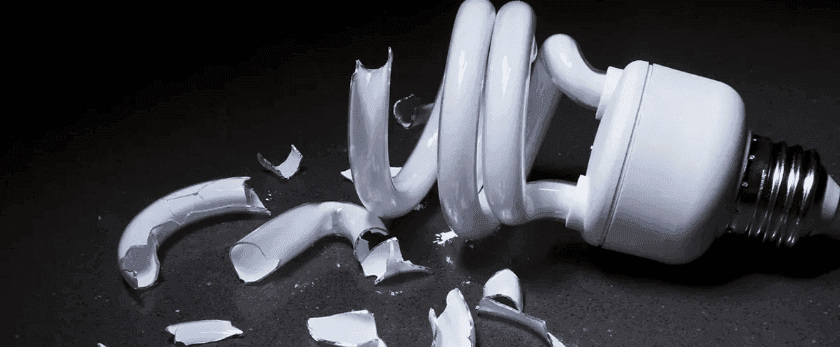
Handling and Cleaning Up Broken Mercury-Containing Light Bulbs
When a mercury-containing light bulb breaks, safety comes first. Bulbs like compact fluorescent lamps (CFLs) and some fluorescent tubes can release mercury, harmful to health and the environment. Here’s a straightforward guide to help you clean up and dispose of broken bulbs safely, reducing potential risks.
Step-by-Step Cleanup
-
Stay Calm and Assess the Area: If a bulb breaks, take a moment to breathe. Clear the space of people and pets to limit exposure.
-
Gather Safety Equipment: Before you start cleaning, put on disposable gloves to protect your hands. A dust mask can help avoid inhaling any particles.
-
Use the Right Tools: Grab a stiff piece of cardboard, some duct tape, and damp paper towels. These will help you handle the cleanup effectively.
-
Carefully Collect Bulb Pieces: With the cardboard, gently scoop up the larger pieces of glass. Avoid using your hands directly to prevent cuts.
-
Tape Up Small Fragments: Use duct tape to lift any tiny shards or powder from the bulb. Press the tape onto the debris, then pull it away carefully.
-
Seal and Dispose: Put all collected pieces into a sturdy, sealable container. Clearly label it as “broken light bulbs” to prevent accidental disposal with regular rubbish.
-
Clean the Area: Wipe down the area where the bulb broke with damp paper towels, ensuring no small bits are left behind. Dispose of the towels in the same sealed container.
-
Wash Your Hands: After cleaning up, take off your gloves and wash your hands well with soap and water.
Safe Disposal Options
Disposing of broken mercury-containing bulbs requires following local regulations. Here are a few options to consider:
-
Local Recycling Programme: Check with your council to see if they have a recycling programme for hazardous waste, including broken bulbs. Many councils offer designated drop-off points.
-
Retailer Take-Back Schemes: Some shops have take-back services for used bulbs. If possible, return your broken bulb to the store where you bought it.
-
Household Hazardous Waste Collection: Keep an eye out for household hazardous waste collection events in your area. These events safely handle items like broken bulbs.
-
Mail-In Recycling Options: Certain companies provide mail-in recycling services for light bulbs. Look for local options that offer this service for added convenience.
Important Reminders
Always stick to local guidelines when disposing of hazardous materials. Broken mercury-containing bulbs should never be thrown in with regular household waste, as improper disposal can harm the environment and pose health risks.
Quick answers
Environmental and Health Hazards of Improper Mercury Bulb Disposal
Improperly throwing away mercury-containing light bulbs can cause serious harm to our environment and health. Mercury is a toxic metal that can contaminate soil and water when these bulbs break or are discarded carelessly. Even small amounts of mercury can have significant ecological impacts, as it can build up in the food chain, affecting wildlife and ultimately posing risks to human health.
When mercury gets into the environment, it can change into methylmercury, a particularly harmful substance that accumulates in fish and other creatures. This build-up can lead to health issues for those who eat contaminated seafood, including neurological damage and developmental problems in children. Pregnant women and young children are especially at risk from mercury exposure, which can interfere with brain development and lead to cognitive challenges.
Beyond its effects on wildlife and human health, mercury pollution can disrupt our ecosystems. Rising mercury levels can harm biodiversity and the overall health of habitats. This contamination can reduce fish and other aquatic species populations, which in turn affects local economies that depend on fishing and tourism.
Additionally, disposing of mercury bulbs incorrectly can breach local rules designed to protect public health and the environment. Many councils have specific guidelines for handling hazardous waste, including mercury-containing bulbs. Ignoring these regulations can lead to legal issues and adds to the growing problem of hazardous waste in landfills, where harmful materials can seep into the ground and contaminate water supplies.
In short, the dangers associated with improper mercury bulb disposal are considerable. These risks highlight the need for proper disposal methods and compliance with local regulations. By making sure these bulbs are disposed of correctly, we can help protect our ecosystems, safeguard public health, and contribute to a more sustainable future.
Alternatives to Mercury-Containing Bulbs
If you're looking for alternatives to mercury-containing bulbs, there are several safe and efficient options available. Making the switch not only benefits the environment but can also save you money on energy bills and reduce waste.
1. LED Bulbs
LED (Light Emitting Diode) bulbs are a popular choice today. They’re energy-efficient and can last up to 25,000 hours. That means fewer replacements for you. In fact, they use up to 80% less energy than traditional incandescent bulbs. Plus, LEDs emit less heat, making them safer for various settings.
2. Halogen Bulbs
Halogen bulbs improve on traditional incandescent designs by using halogen gas to increase efficiency. While they’re not as energy-efficient as LEDs, they do provide brighter, white light and can last around 2,000 hours. A decent option if you need something more familiar.
3. Compact Fluorescent Lamps (CFLs)
CFLs contain a small amount of mercury, but they’re significantly more energy-efficient than traditional incandescent bulbs. They use about 75% less energy and can last up to 10 times longer. If you want to avoid mercury altogether, consider sticking with LEDs or halogen bulbs.
4. Smart Bulbs
Smart bulbs are typically LED and come with the added benefit of connectivity. You can control them through smartphone apps or voice assistants, allowing you to schedule and dim your lighting as needed. This flexibility can lead to further energy savings in your home.
Conclusion
Choosing non-mercury alternatives helps reduce your environmental impact while potentially lowering your energy costs. When selecting new lighting solutions, consider their energy efficiency, lifespan, and overall impact. It’s about finding what works for you and your home, without the pressure for perfection.
Key Takeaways
Proper disposal of mercury-containing light bulbs is vital for protecting both your health and the environment. If not managed correctly, these bulbs can release harmful mercury. So, it’s important to follow local regulations and disposal guidelines.
Here are some key points to keep in mind:
-
Identify Mercury Bulbs: Familiarise yourself with which bulbs contain mercury, like compact fluorescent lamps (CFLs) and certain fluorescent tubes.
-
Use Local Resources: Reach out to your local council for specific disposal guidelines and recycling options. Many councils provide hazardous waste collection services or organise special collection events.
-
Retailer Take-Back Schemes: Some shops offer take-back schemes for used bulbs, making it easier for you to recycle them properly.
-
Avoid Landfill: Make sure to dispose of mercury bulbs at designated hazardous waste facilities or through recycling programmes. They should never go in your regular household waste.
-
Safety First: If a bulb breaks, take care during cleanup to avoid exposure to mercury. Use gloves, a damp cloth, and a sealable bag to safely dispose of the broken pieces.
By staying informed and following these guidelines, you can help protect the environment while ensuring the safe disposal of hazardous materials. For more information on responsible recycling practices, check out our guides on light bulb disposal and other household items.